
Advancing Preconception Research
Current Evidence, Recent Progress, and What Comes Next
The preconception window matters more than most people realize — but critical research gaps remain. In this 90-minute webinar, Professor Amie Steel and Dr Carolyn Ledowsky share insights from their research programs exploring how preconception health impacts pregnancy outcomes, where the evidence currently stands, and what needs to happen next to better support Australian families.
Whether you're navigating your own fertility journey, supporting patients in clinical practice, or simply interested in evidence-based preconception care — this session offers valuable perspective on the current state of research and where it's headed.

Preconception care in Australia: Building A "Whole of Health System" Approach - Prof Amie Steel
From Systems to Biology: Translating Preconception Evidence into Practice - Dr. Carolyn Ledowsky
Q&A and Closing
Webinar Overview
What You'll Learn in This Webinar
🔬
Current Evidence in Preconception Health
Understanding what recent research tells us about the preconception window and its impact on pregnancy outcomes
✓
Preconception Nutrition & Supplementation
The latest findings on what actually supports healthy conception and pregnancy — beyond the basics
🧬
Folate Metabolism & Genetic Variation
How genetic factors influence folate processing and what this means for preconception recommendations
👥
Why Both Partners Matter
Research showing that male preconception health significantly impacts fertility and pregnancy outcomes
🏥
Gaps in the Australian Health System
How preconception care is currently delivered — and where support is inconsistent or missing entirely
→
What Needs to Happen Next
The critical research questions that still need answers to truly improve outcomes for families
?
Live Q&A with the Researchers
Questions from practitioners, patients, and community members about preconception research and care
About Your Presenters
presenter
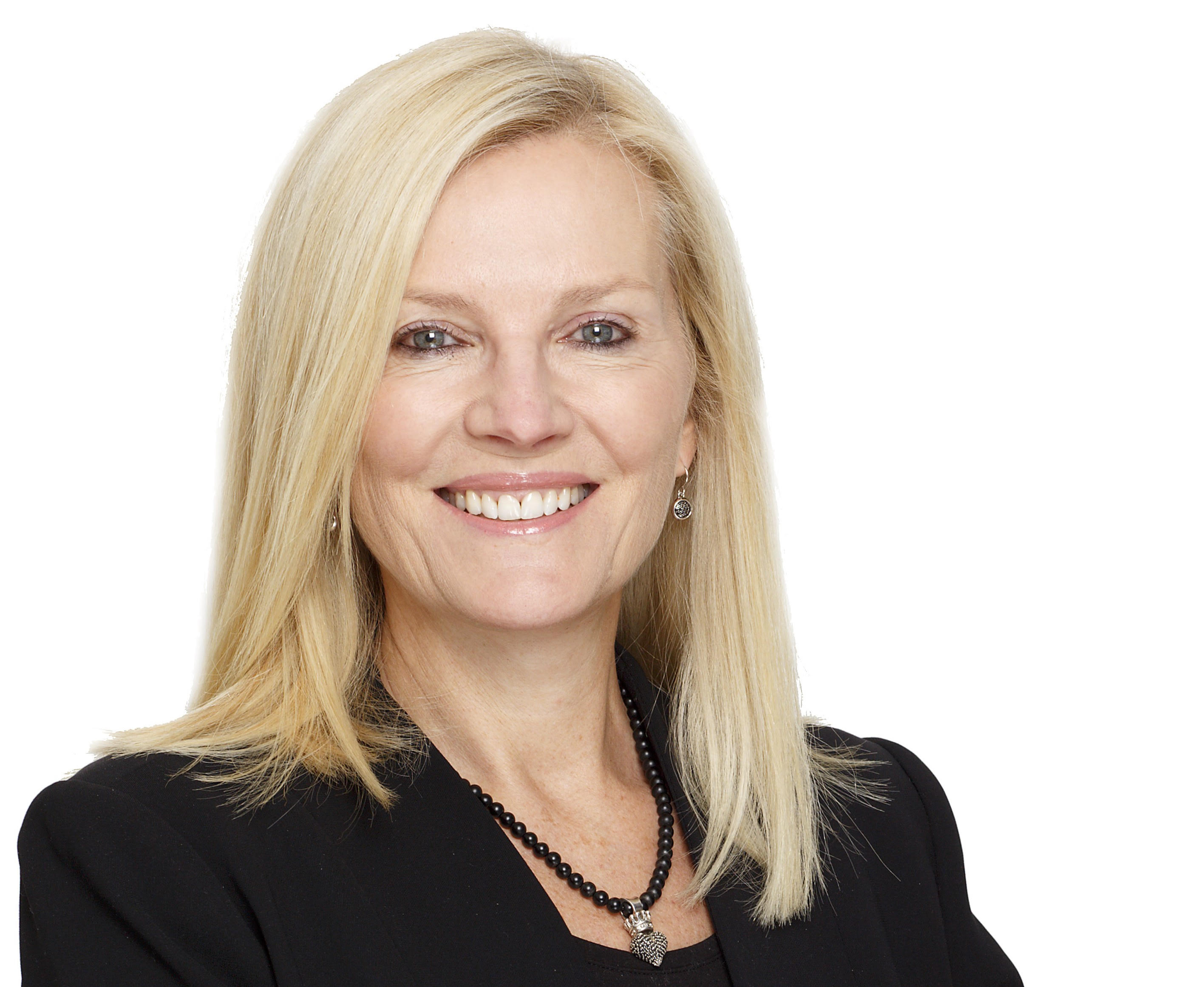
Dr Carolyn Ledowsky
Adjunct Fellow
Southern Cross University
Dr Ledowsky's research centers on preconception health and pregnancy-related outcomes, with particular focus on strengthening the evidence base to support healthy pregnancies and babies.
presenter
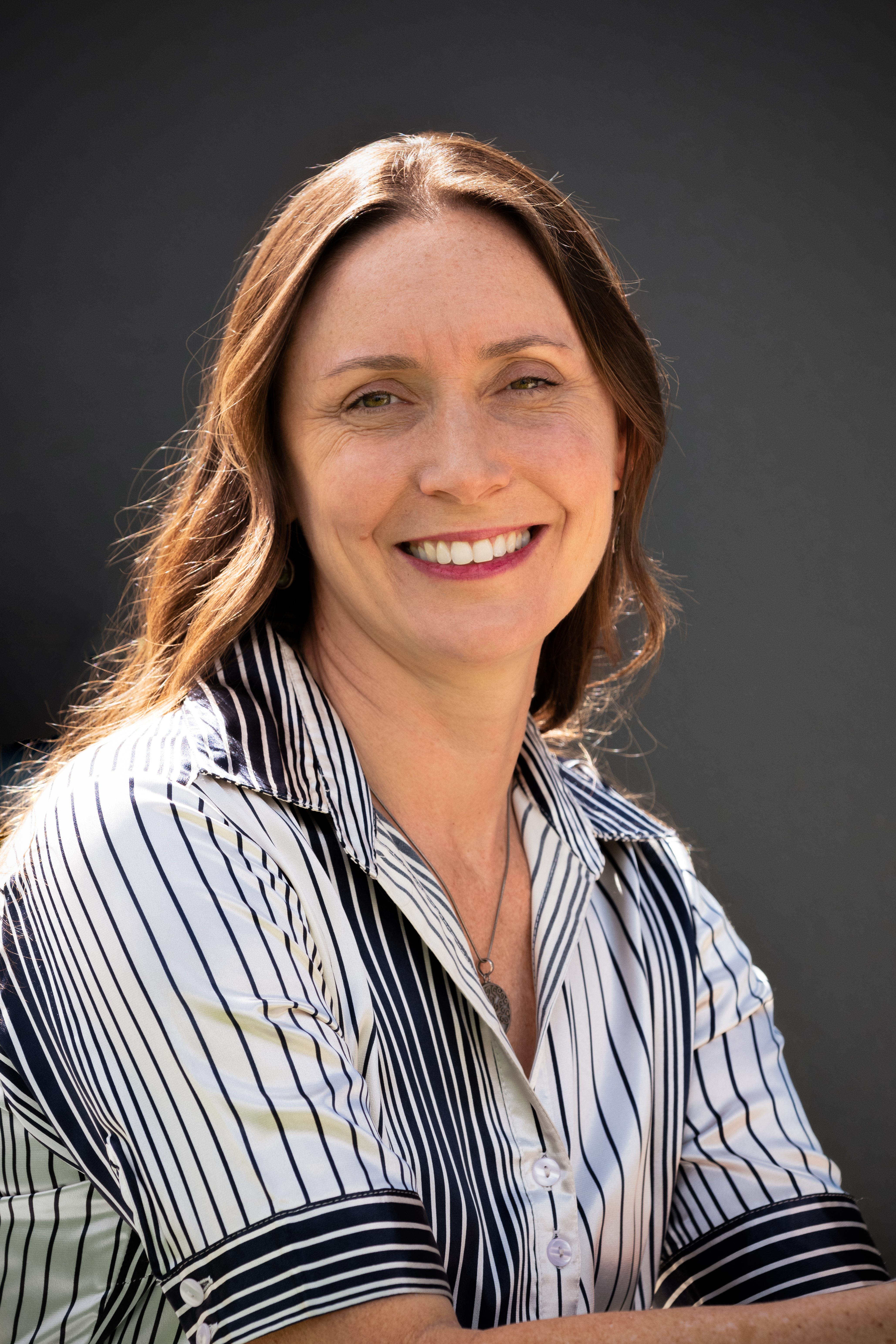
Professor Amie Steel
Professor of Public Health
National Centre for Naturopathic Medicine, Southern Cross University
Professor Steel's research focuses on preconception health, population-level approaches to care, and building the evidence base needed to inform policy and practice within the Australian health system.
📄 Selected Publications and Research Outputs
For those interested in the published research discussed during the webinar, you can access selected papers here:
Dr Carolyn Ledowsky
Professor Amie Steel
Help Fund the Next Phase of Preconception Research
The research that could change outcomes for Australian families needs your support.
While we've made progress in understanding preconception health, critical questions remain unanswered. But answering them requires funding.
Support ongoing research
These questions matter. They matter to couples trying to conceive. To families who've experienced loss. To practitioners wanting to provide the best possible care.
Support helps enable the next phase of research needed to inform policy, strengthen preconception care pathways within the Australian health system, and ultimately improve pregnancy and infant outcomes.
All donations are tax-deductible and go directly to funding research.
How can we make evidence-based preconception care accessible to all couples, not just some?
What specific interventions best support couples who've experienced pregnancy loss?
How do we close the gaps in care delivery across the Australian health system?
What role does male preconception health play in preventing complications?
How can genetic insights be translated into practical, personalized care?
Help Fund the Next Phase of Preconception Research
The research that could change outcomes for Australian families needs your support.
While we've made progress in understanding preconception health, critical questions remain unanswered:
These questions matter. They matter to couples trying to conceive. To families who've experienced loss. To practitioners wanting to provide the best possible care.
But answering them requires funding.
All donations are tax-deductible and go directly to funding research.

How can we make evidence-based preconception care accessible to all couples, not just some?

What specific interventions best support couples who've experienced pregnancy loss?

How do we close the gaps in care delivery across the Australian health system?

What role does male preconception health play in preventing complications?

How can genetic insights be translated into practical, personalized care?
Your donation directly supports
Every contribution makes a difference.
Whether you can give $25 or $2,500, your support helps advance research that has the potential to improve outcomes for thousands of Australian families.
Research studies that fill critical evidence gaps in preconception health
Community engagement ensuring research addresses real-world needs
Training the next generation of researchers focused on preconception and reproductive health
Clinical trials testing interventions that could improve pregnancy outcomes
Knowledge translation getting research findings into the hands of practitioners and families
Why I support this research
"After two miscarriages, I wish I'd known what I know now about preconception health. This research could spare other families the heartbreak we experienced."
— Former patient and research supporter
"As a GP, I'm constantly asked questions about preconception care that I don't have evidence-based answers for. This research is filling those gaps."
Gaps in the Australian Health System
"Understanding the science behind preconception health gave me confidence and hope. Supporting this research feels like helping the next person on this journey."
— Community donor
Want to Stay Connected?
Receive updates on future research, publications, and webinars.
Interested in being involved as a community representative?
We welcome perspectives from individuals with lived experience in fertility, pregnancy, and preconception health. If you'd like to contribute to research as a community representative — helping ensure studies remain relevant and responsive to real needs — we'd love to hear from you.
(Registering interest doesn't commit you to any specific project — it simply allows us to connect with people who may wish to be involved in future consultation or advisory opportunities.)